

A heart stent is a small, mesh-like metal tube placed inside a narrowed or blocked artery to help keep it open. Stents are most commonly used in the coronary arteries—the vessels that supply blood to your heart.
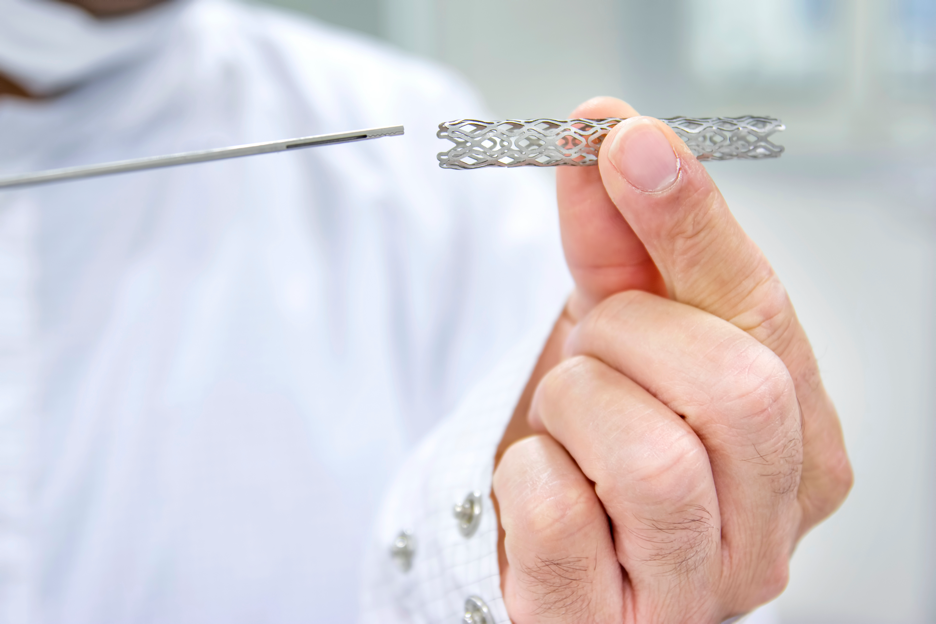
The idea for modern stents goes back to 1963, when Radiologist Charles Theodore Dotter and his trainee, Melvin Judkins, made an accidental discovery during an abdominal aortogram. While imaging a patient’s blood vessels, their technique accidentally reopened a blocked artery. This surprise success became the first percutaneous transluminal peripheral angioplasty and laid the foundation for today’s minimally invasive stent procedures.
So, are stents useful?
Yes stents save lives—but understanding when they’re necessary matters. SBL Cardiologist B. Lakshminarayanan, MD, explains that patients generally fall into three main categories:
- Major Heart Attack
If you’re experiencing a large heart attack, immediate care is essential. Patients must go to the ER right away. Within 90–120 minutes, they’re taken to the Cath Lab for a life-saving stent. - Stuttering Heart Attack
This type of heart attack occurs over several days. Patients may feel “okay” but still require a stent to prevent a more serious, potentially dangerous heart attack in the near future. - Severely Symptomatic Patients
People who have chest pain, shortness of breath with activity, or an abnormal stress test often need a stent or bypass surgery to prevent a major cardiac event.
What About Asymptomatic Patients?
Sometimes a patient’s EKG looks abnormal, but their stress test is normal and they have no symptoms. In these cases, the need for a stent is less clear. Medication management may be enough unless symptoms develop later. If they do, a stent can then become an option.
What to Expect?
Depending on the severity of your condition, you may first meet with your cardiologist to review the stent procedure and discuss any medications you may need to stop beforehand. The procedure itself is performed in the Cardiac Catheterization Lab (Cath Lab) at Sarah Bush Lincoln and typically takes 30–60 minutes, though it can be longer if multiple arteries need treatment. Once the procedure is complete, you’ll spend a few hours in the recovery area while your care team monitors your blood pressure, heart rhythm, and the catheter site. Unless your stent was placed during a major heart attack, most patients are able to go home the same day and return to work within 1–3 days. Before you’re discharged, your cardiologist or nurse will review the new blood thinners you’ll need to take to keep the stent functioning properly.
What Are the Downsides?
Stents save lives—but they also require careful follow-up. Patients must take two blood thinners after receiving a stent. This can complicate future procedures, like orthopedic surgery or gallbladder removal, because blood thinners cannot be stopped within the first three to six months. After that period, patients can talk with their cardiologist about adjusting medication.
What’s the Recovery Like?
Recovery is typically quick. Most patients go home the same day, take it easy for a day or two and then return to work shortly after.
Who Performs the Procedure?
At Sarah Bush Lincoln, both Dean Katsamakis, DO and Adham Karim, MD are able to perform stent procedures right here at our hospital.
Leave a Reply